


Can someone who struggles with mild hot sauce actually learn to enjoy fiery Korean ramen noodles? I spent 30 days finding out, documenting every sweaty brow, runny nose, and triumphant slurp along the way. This honest log covers my journey from barely tolerating sweet-spicy noodles to finishing a bowl of Buldak without reaching for milk.
This guide covers specific spicy Korean ramen products I tested, my daily progression protocol, real physical reactions, and the science behind why tolerance actually builds. It also includes a step-by-step protocol for building spice tolerance with Korean ramen noodles.
What it doesn't cover: extreme challenge products designed purely for viral content, medical advice for digestive conditions, or promises about becoming immune to heat.
The target audience is spice-sensitive beginners who watch their Korean friends casually enjoy bowls of bright red broth and wonder if they could ever do the same.
Quick Summary
Yes, you can build meaningful spice tolerance in 30 days using a gradual progression of Korean ramen products. Results vary based on consistency and starting point.
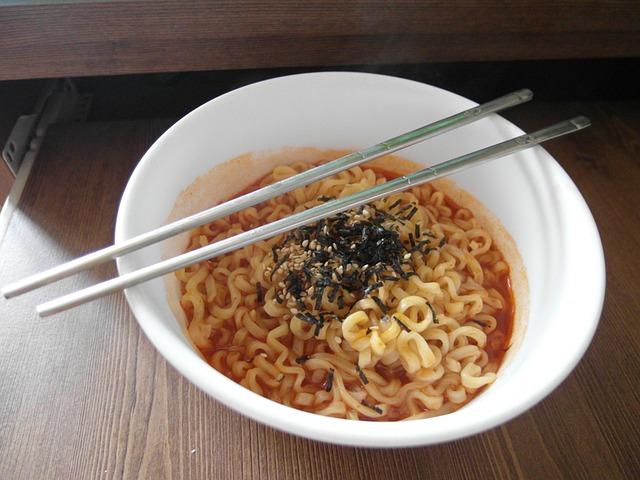
Understanding Korean Ramen Spice Levels
Spicy Korean ramen is characterized by chewy noodles and bold heat levels that distinguish it from milder instant noodles worldwide. Here's a list of top Korean ramen brands if you want more background. Korean ramyeon differs from Japanese varieties by focusing on robust bases of chili powder, garlic, and soy sauce rather than delicate broths.
Heat in Korean ramen is typically measured in Scoville Heat Units (SHU), which quantifies capsaicin concentration. Popular products span roughly 2,700 SHU (Shin Ramyun) to over 23,000 SHU (specialty challenge products). Understanding this scale helps you plan a logical progression rather than jumping into something that overwhelms you.
The Ingredients Creating Heat
Authentic Korean noodles use gochugaru, dried chili flakes, for a warm building heat rather than just a raw burn. This ingredient provides the signature red color and warmth you'll recognize across products.
Gochujang, a fermented chili paste, adds rich, complex flavor with fermented depth and subtle sweetness alongside the heat. Many products also incorporate chili flakes, crushed red pepper, and various chili oils to create layered heat experiences.
The combination matters. Gochujang adds fermented complexity, gochugaru provides straightforward warmth, and chili oil delivers immediate, coating heat. Fresh garlic and ginger add aromatic depth that makes the heat more enjoyable.
Why Korean Spice Feels Different
If you've eaten hot wings or Mexican salsa, Korean spice might still catch you off guard. The heat tends to build gradually rather than hitting immediately, then lingers longer than many Western spicy foods.
This happens because the heat comes from multiple sources working together. Dried chilies, fermented paste, and oil rather than a single hot sauce.
The chewy noodles play a role too. Korean ramyeon is valued for its bouncy noodles, which hold sauce and broth differently than thin noodles, delivering heat with every bite rather than just in the liquid. You can't sip around the spice. It's integrated into the entire eating experience.
Understanding these fundamentals explains why building tolerance requires consistent exposure rather than occasional extreme challenges. Your mouth needs to adapt to this specific combination of heat delivery.
My 30-Day Spice Building Protocol
Living in Korea for nearly a decade taught me something important: locals don't become spice-tolerant overnight. Children eat mild versions of dishes, gradually working up to adult heat levels over years.
My 30-day protocol condenses this principle into an accelerated but sustainable timeline, using specific Korean ramen products as milestones.
Week 1: Foundation Building (Days 1-10)
The Products: Week 1 focuses entirely on sweet-spicy products where sugar and savory flavors balance the heat. Nongshim's Tteokbokki Noodles became my daily staple. Wide flat wheat flour noodles in sweet-spicy gochujang sauce, with heat that builds after the initial sweetness fades. They stood out as one of the best instant tteokbokki noodle options for beginners. The chewy noodles provide satisfying texture while the heat stays manageable.
Nongshim Tteokbokki Noodles are going absolutely viral on TikTok right now. I tried this recipe and it's genuinely top notch. These noodles combine the chewy texture of traditional rice cakes with a sweet and spicy gochujang-based sauce, making them approachable for beginners. Unlike typical fiery ramyun, the sweetness in the sauce helps balance the heat, creating a flavor profile that builds gradually rather than overwhelming you.
You can enjoy them straight from the packet, or add boiled eggs, fish cakes, or green onions to round out the meal. The noodles maintain their chewiness throughout, complementing the thick sauce in a way that many first-timers appreciate.

Daily Protocol:
- Eat one serving every 1-2 days (consistency matters more than daily consumption)
- Use the full seasoning packet without modifications
- Drink water but avoid dairy during eating
- Note reactions in a simple log: mouth sensation, nose running, sweating
Honest Reactions: Days 1-3 brought genuine discomfort. My tongue burned for about 10 minutes after finishing, my nose ran, and I needed cold water between bites. By Day 5, something shifted. The same product that made me pause between bites now felt almost comfortable. By Day 10, I finished bowls while watching TV, barely noticing the heat.
Progress Markers:
- Reduced time to finish a bowl
- Less reaching for drinks between bites
- Burning sensation decreasing from 10+ minutes to under 5
- Ability to taste flavors beyond just "hot"
The science: TRPV1 receptors in your mouth activate when they contact capsaicin, creating burning sensations. Repeated exposure causes desensitization. Your receptors become less responsive to the same stimulus. This adaptation requires consistent exposure. Waiting too long between sessions allows receptors to resensitize.
Week 2: Stepping Up the Heat (Days 11-20)
The Products: Week 2 introduces soup-based Korean ramen in the 2,700-3,500 SHU range. Beef and mushroom flavors are traditional standards in brands like Shin Ramyun and Jin Ramen, making them ideal stepping stones. For a direct comparison of Shin Ramyun, Jin Ramen, and Buldak, there's a full breakdown worth reading.
Ottogi Jin Ramen Spicy (approximately 2,800 SHU) became my gateway product. The rich broth balances vegetable and anchovy notes against the heat, teaching your palate that spice and flavor coexist rather than compete.
Nongshim Shin Ramyun (approximately 2,700 SHU) is praised for its balance of heat and savory flavor, making it a favorite among those who enjoy spicy noodles. I understood why once I could actually taste beyond the burn. I started experimenting with creamy spicy Shin Ramen recipes on busy nights.

Daily Protocol:
- Alternate between Jin Ramen and Shin Ramyun every 1-2 days
- Add one egg (cooked in the broth) for protein and slight heat buffering
- Try the full seasoning before deciding if modifications help
- Continue logging and track how quickly you adapt to each new product
Honest Reactions: Day 11 with Jin Ramen felt like a significant jump. The soup format delivers heat differently than sauce-coated noodles. You're slurping hot broth that coats your entire mouth. I sweated through the first bowl, nose streaming, taking breaks every few bites. By Day 15, I noticed I was actually enjoying the garlic and mushroom notes in the broth rather than just surviving.
Day 16 brought Shin Ramyun, which felt nearly identical in heat to Jin Ramen but with deeper, more complex savory flavors. Using chicken or beef broth instead of water adds richness. I tried this on Day 18 with chicken stock and the improvement was remarkable. The homemade broth added body that made the heat feel more integrated.
What Changes During This Phase: Your taste buds genuinely adapt. By Week 2's end, products that seemed impossibly hot on Day 11 become baseline. You start noticing subtle flavor differences between brands. You might even catch yourself thinking "this isn't that spicy" about something that made you cry two weeks ago.
Week 3: The Breakthrough Phase (Days 15-21)
The Products: Week 3 introduces medium-hot products in the 3,500-4,400 SHU range, including your first encounter with dry stir-fried formats. This is where creamy and cheesy variations become valuable, especially if you follow a seasonal guide to choosing Korean ramen that matches lighter or richer styles to the weather.
Ottogi Yeul Ramen (approximately 3,500 SHU) bridges soup-based heat to more intense products. Buldak Carbonara sits alongside Samyang Buldak Bokkeum Myun as a concentrated, high-impact stir-fry option. The creamy cheese sauce creates a buffer that makes the jump to Buldak-level products manageable.
When preparing dry stir-fried ramen like Buldak Carbonara, stir frequently during cooking to ensure the sauce coats the noodles evenly and to prevent sticking.

Daily Protocol:
- Days 15-17: Yeul Ramen to establish new baseline
- Days 18-21: Alternate Buldak Carbonara with rest days eating milder products
- Experiment with add-ins: American cheese, mozzarella, eggs, green onions, or silken tofu
- Track not just tolerance but enjoyment level
Honest Reactions: Day 15 with Yeul Ramen felt surprisingly manageable. The breakthrough moment came when I realized I wasn't just surviving. I was enjoying the straightforward chili heat.
Day 18's first Buldak Carbonara was another story. Even with the cheesy sauce buffering the heat, this felt like a genuine challenge. The dry stir-fried format means every noodle delivers concentrated sauce directly to your mouth with nowhere to hide.
But here's what I noted: the heat was intense but not unbearable. Two weeks earlier, this same product would have been impossible. I finished the bowl, sweated through my shirt, and felt genuinely proud.
Setbacks and Adjustments: Day 19 I skipped spicy food entirely because my stomach felt unsettled. Day 20 I returned to Shin Ramyun instead of pushing forward. A strategic retreat rather than a failure. I started adding small amounts of kimchi to meals for additional low-key heat exposure, alongside other creative ramen toppings and add-ins.
Week 4: Reaching Your Goal (Days 22-30)
The Products: Week 4 tests your built tolerance against signature spicy products. Samyang Buldak Original (4,404 SHU) represents the standard target for spice tolerance building. If you can finish this comfortably, you've achieved meaningful progress. Paldo Teumsae (approximately 5,600 SHU) serves as a stretch goal.
Daily Protocol:
- Days 22-25: Regular Buldak variants (Original, Cheese) without modifications
- Days 26-28: Test with different cooking methods and additions
- Days 29-30: Return to Day 1 products for direct comparison
- Final log entry comparing tolerance levels across the 30 days
Honest Reactions: Day 22 with Buldak Original marked the genuine test. I finished it. Slowly, with sweating and a running nose, but I finished it without dairy, without water breaks, without giving up. The heat was intense but manageable in a way that would have seemed impossible on Day 1.
Day 29's comparison was revelatory. I ate the same Nongshim Tteokbokki Noodles from Week 1 and genuinely wondered if the packet had changed. The sweet-spicy product now tasted mostly sweet with barely noticeable heat. My tolerance had legitimately transformed.
By Day 30, I understood why these products have gone viral. They're genuinely delicious once you can taste beyond the burn.
Product Comparison Chart
|
Product |
Approximate SHU |
Format |
Flavor Profile |
Beginner-Friendly? |
Best For |
|---|---|---|---|---|---|
|
Nongshim Tteokbokki Noodles |
~1,000 |
Sauce-based |
Sweet-spicy, gochujang |
Yes |
Days 1-10 |
|
Ottogi Jin Ramen Spicy |
~2,800 |
Soup |
Savory, anchovy-vegetable |
Moderate |
Days 11-15 |
|
Nongshim Shin Ramyun |
~2,700 |
Soup |
Beef, mushroom, garlic |
Moderate |
Days 11-15 |
|
Ottogi Yeul Ramen |
~3,500 |
Soup |
Straightforward chili |
No |
Days 15-18 |
|
Buldak Carbonara |
~4,400 |
Dry stir-fry |
Creamy, cheesy, intense |
No |
Days 18-25 |
|
Buldak Original |
4,404 |
Dry stir-fry |
Pure fire chicken |
No |
Days 22-30 |
|
Paldo Teumsae |
~5,600 |
Soup |
Intense anchovy-chili |
No |
Stretch goal |
|
Samyang MEP Noodles |
~2,000 |
Soup |
Comfort spice |
Yes |
Transition product |
Choosing Your Path: If you prefer soup-based ramen, progress through Jin Ramen, Shin Ramyun, Yeul Ramen, then Teumsae. If you're drawn to dry stir-fry formats, move from tteokbokki-style noodles to Buldak Carbonara to Buldak Original. Both paths build tolerance. Choose based on which eating experience you enjoy more.
Common Challenges and Solutions
Every spice tolerance journey hits obstacles. These solutions come from my own experience and observing how Koreans approach spicy food daily.
Plateau at Week 2
Around Days 12-15, many people hit a wall where progress seems to stall. The same products feel equally hot day after day despite consistent exposure.
Solution: Alter your format rather than just increasing heat. If you've been eating soup-based ramen, try a dry stir-fry product at similar SHU levels. The different delivery method challenges your receptors in new ways. Alternatively, add a rest day then return with slightly higher heat. Adding miso paste to the broth can make the same heat level feel different enough to break through plateaus.
Overwhelming Heat Sensitivity
Some days your tolerance seems to regress. A product you handled fine yesterday feels impossibly hot today.
Solution: Don't fight through it. Add cooling ingredients: stir in an egg, slice American cheese into the broth, or drizzle sesame oil over finished noodles. Fat content buffers heat. Dairy helps because casein proteins bind to capsaicin. Keep plain rice nearby. The starch absorbs heat from your mouth.
Digestive Discomfort
Capsaicin affects more than your mouth. Around Week 2, stomach discomfort or heartburn may appear as you increase intake.
Solution: Never eat spicy Korean ramen on an empty stomach. Eat something starchy first: rice, bread, or crackers. Add vegetables like cabbage or spring onion to your bowl for fiber. Ginger helps settle upset stomachs and adds complementary flavor. If discomfort persists, take a rest day and reduce portion sizes temporarily.
Loss of Motivation
By Week 3, the novelty fades. Progress feels incremental. You might wonder why you're eating the same category of food repeatedly.
Solution: Vary your products and preparations. Try simmering chicken broth with garlic, onion, gochujang, and sesame paste to create a flavorful base instead of just following packet instructions. Making your own broth transforms the experience from "eating instant ramen again" to "cooking a real meal."
Add toppings like scallions, sesame seeds, a soft-boiled egg, or green onions to create variety. Celebrate milestones: finishing your first Buldak packet, eating Shin Ramyun without water breaks, enjoying rather than just surviving a bowl.
Wrapping Up
Thirty days transformed my relationship with spice. Products that seemed impossibly hot now deliver enjoyable heat rather than punishment.
The Nongshim Tteokbokki Noodles that challenged me on Day 1 taste almost mild now. They've settled into the role of my go-to instant tteokbokki-style noodles. More importantly, I can finally appreciate the complex savory flavors, the garlic depth, the way gochujang adds fermented richness beyond just burning.
The science worked exactly as described. Consistent exposure led to receptor desensitization, which led to genuine tolerance building. This wasn't about suffering through pain until it stopped hurting. It was about gradually expanding my capacity to enjoy an entirely new category of food.
Your immediate next steps:
- Start with Nongshim Tteokbokki Noodles or similar sweet-spicy products for your first week. Don't jump to products beyond your starting point
- Commit to eating spicy Korean ramen every 1-2 days for the full 30 days. Consistency matters more than intensity
- Log your reactions simply (heat level, duration of burn, enjoyment) to track progress you might not notice otherwise
- Have cooling options ready (dairy, rice, egg) but try finishing without them when possible
- Celebrate the milestones. Your first completed Shin Ramyun bowl deserves recognition
Once your ramen spice tolerance is established, you can explore other Korean spicy foods: tteokbokki at restaurants, spicy fried chicken, kimchi stew. The tolerance you build transfers to these dishes because they use similar chili-based heat sources.
Additional Resources
Where to Buy: Korean ramen products are widely available at H-Mart, Zion Market, and most Asian grocery stores. Amazon carries full product lines with reliable shipping, including my favorite Nongshim Tteokbokki Style Noodles for sweet-spicy practice bowls. For the freshest noodles, buy from Korean grocery stores with high turnover rather than general supermarkets.
Cooling Ingredients to Stock:
- Milk or plain yogurt (dairy most effective for capsaicin binding)
- Plain rice or bread
- Eggs (cook into broth or serve alongside)
- American or mozzarella cheese (slice into hot soup)
- Sesame oil (coats mouth, adds flavor)
- Sugar or honey (for extreme moments)
Preparation Modifications:
- Use half the seasoning packet initially, adding more as tolerance builds
- Drain and set aside noodles if you prefer controlling sauce intensity
- Toss finished noodles with sesame seeds, crushed red pepper to taste, and scallions for customization
- Whisk an egg into hot broth for richness and heat buffering
- Add a ladle of chicken stock for dilution without losing flavor
Related Korean Foods to Try:
- Kimchi (varying heat levels, great ongoing exposure)
- Tteokbokki (rice cakes in sweet-spicy sauce)
- Spicy fried chicken
- Cold spicy noodles
- Spicy seafood noodle soup
The journey from spice-sensitive to spice-tolerant isn't about becoming immune to heat. It's about expanding what you can enjoy. Every bowl of hot Korean ramen you can now finish represents that expansion. Start your 30 days whenever you're ready.
Frequently Asked Questions
1. Can I build spice tolerance faster than 30 days?
While some people may adapt quicker, 30 days is a realistic timeline to build meaningful tolerance without overwhelming your palate or digestive system. Consistency and gradual progression are key.
2. What if I can't handle the heat in the beginning?
Start with mild, sweet-spicy products like Nongshim Tteokbokki Noodles. Use cooling ingredients such as eggs or cheese to buffer the heat and avoid forcing yourself to finish bowls if it's too uncomfortable.
3. How important is the broth in spicy Korean ramen?
Ramen broth plays a crucial role in balancing heat and flavor. Using chicken or beef broth instead of water enhances depth and can make spicy ramen more enjoyable, especially for beginners.
4. Can I eat spicy Korean ramen for breakfast or dinner?
Yes. Spicy Korean ramen is versatile and enjoyed any time of day. Adjust the spice level and add garnishes like eggs or green onions to suit your tolerance.
5. Are there any health concerns with eating spicy ramen regularly?
Moderate consumption is generally safe, but excessive intake may cause digestive discomfort. Eating spicy ramen with a balanced meal and not on an empty stomach helps minimize issues.

