


Quick Summary
I'll admit it. I used to think healthy ramen was an oxymoron. After years of loving those steaming, spicy bowls of instant ramen, I finally checked the nutrition label and nearly dropped my chopsticks. Over 1,800 mg of sodium? That's nearly 80% of my daily limit in one meal.
Then I discovered Shin Ramen Light, and everything changed. With 25% fewer calories and 75% less fat than the original, it proved that you don't have to give up flavor for nutrition. Now I'm obsessed with creating healthy ramen recipes that actually taste good, and I'm sharing everything I've learned about transforming this beloved comfort food into a nutritious meal.
If you're interested in exploring Korean ramen more broadly, check out our list of best Korean ramen brands here.
What Makes Ramen Healthy?
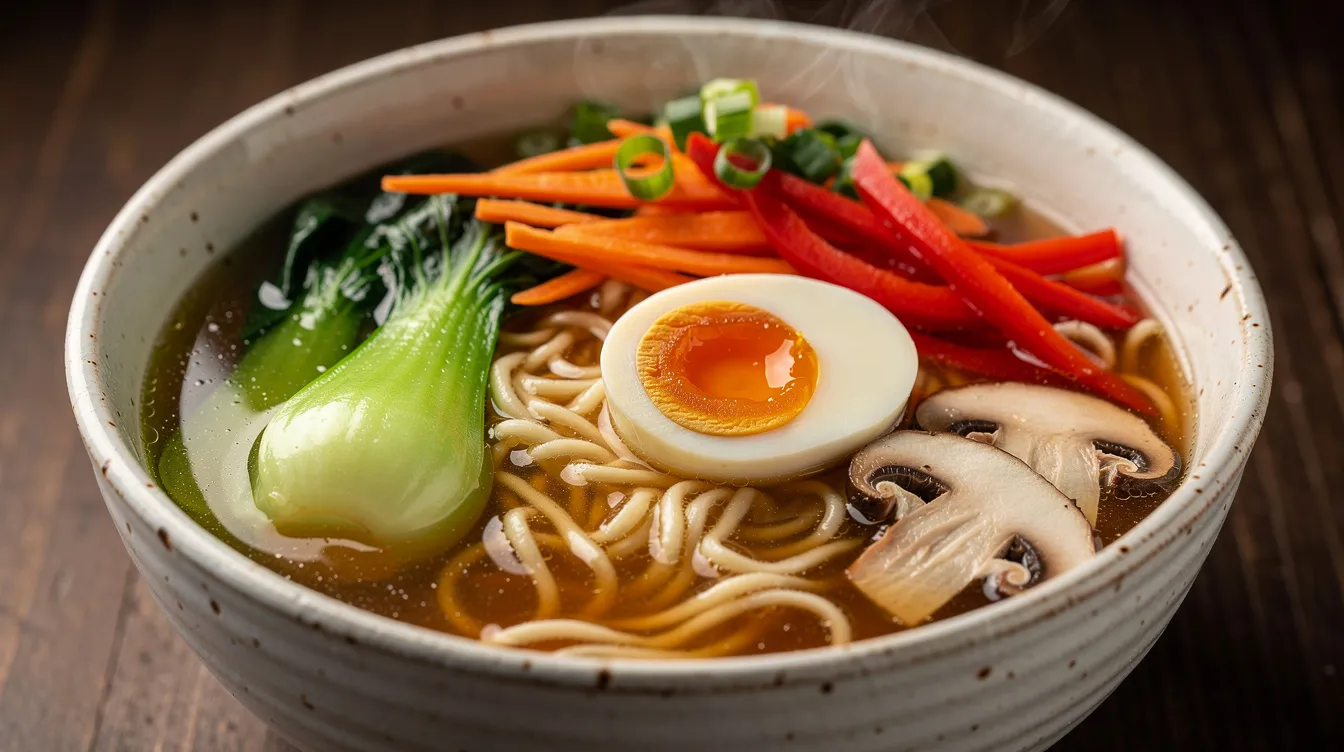
Healthy ramen focuses on lower sodium, reduced calories, added vegetables, lean proteins, and whole grain or air-dried noodles rather than traditional fried varieties.
The broth is usually the primary source of excess sodium and preservatives. Traditional instant ramen noodles are typically deep-fried and made with refined white flour, adding unnecessary saturated fat and empty calories. A single 120g packet of regular Shin Ramen contains about 510 calories and 16g of fat, and that's before you've added a single topping.
Balancing macronutrients transforms ramen from a carb-heavy snack into a complete meal. Aim for 15-25g of protein per bowl, controlled carbohydrates, and healthy fats from sources like toasted sesame oil rather than palm oil from fried noodles. Vegetables should occupy half the bowl.
Small swaps make a dramatic difference. Using a low-sodium vegetable broth instead of the full seasoning packet, adding shredded chicken or a soft boiled egg, and tossing in two cups of fresh vegetables can cut calories while tripling the nutrition.
Which Low-Calorie Ramen Brands Should You Try?
Shin Ramen Light, reduced-sodium Nissin options, and shirataki noodle brands offer the best low-calorie options for health-conscious ramen lovers.
Among the many Korean instant ramen varieties, Shin Ramen Light became my go-to discovery. At 340 calories and just 2.5g of fat per 97g serving compared to the original's 510 calories and 16g of fat, it delivers that same spicy Korean flavor without the guilt. The air-dried noodles have a slightly different texture, but honestly? I prefer the lighter feel now.

Other alternatives worth trying include brands offering 25% less sodium versions, as well as lighter Korean options highlighted in guides to the best Korean ramen for any season.
For the lowest calorie option, shirataki noodles made from konjac contain roughly 20 calories per serving with virtually no digestible carbs. A gluten-free alternative perfect for low-carb dieters. Whole grain alternatives include buckwheat or brown rice noodles, which offer more fiber and nutrients.
How Do You Make Vegetable-Packed Healthy Ramen?
Add 2-3 cups of fresh or frozen vegetables to any ramen base to triple the nutrition and fiber content instantly.
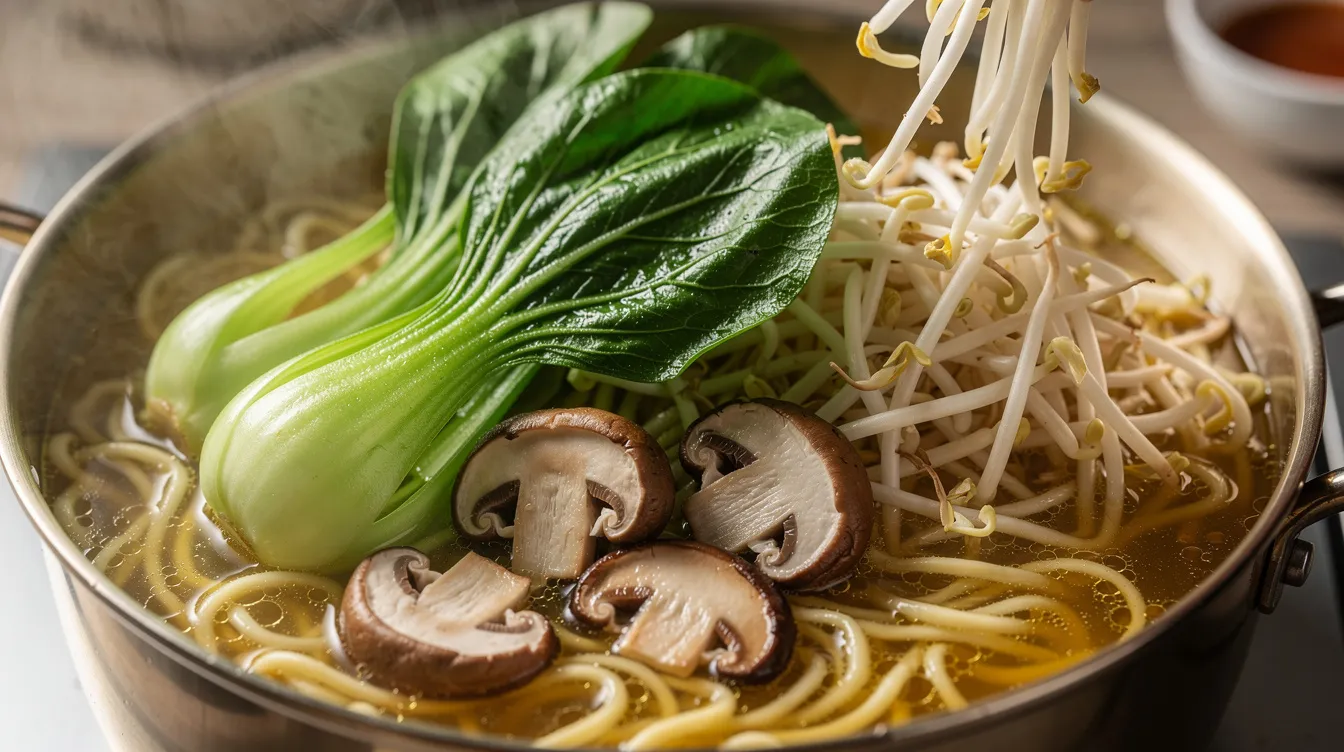
Here's how to time your vegetables perfectly:
Add hardy vegetables like shredded carrots and shiitake mushrooms when you start heating your ramen broth. They need 3-4 minutes to soften. Bell pepper and corn go in about halfway through cook time. Delicate greens like spinach, bok choy leaves, and fresh herbs join in the last 30-60 seconds, just enough to wilt without turning to mush.
The best vegetables for ramen include bok choy (crisp stalks add crunch), shiitake mushrooms (umami flavor powerhouse), bean sprouts, corn, and leafy greens like spinach or kale. Frozen vegetables work when you're short on time. Just add them directly to the simmering broth.
To maintain vegetable texture, avoid boiling everything together from the start. I keep a slotted spoon handy to check doneness, and I often shock blanched vegetables in cold water if I'm prepping ahead.
What Are the Best Protein Additions for Healthy Ramen?
Soft-boiled eggs, grilled chicken breast, tofu, and edamame provide lean protein without excess calories, keeping you full for hours.
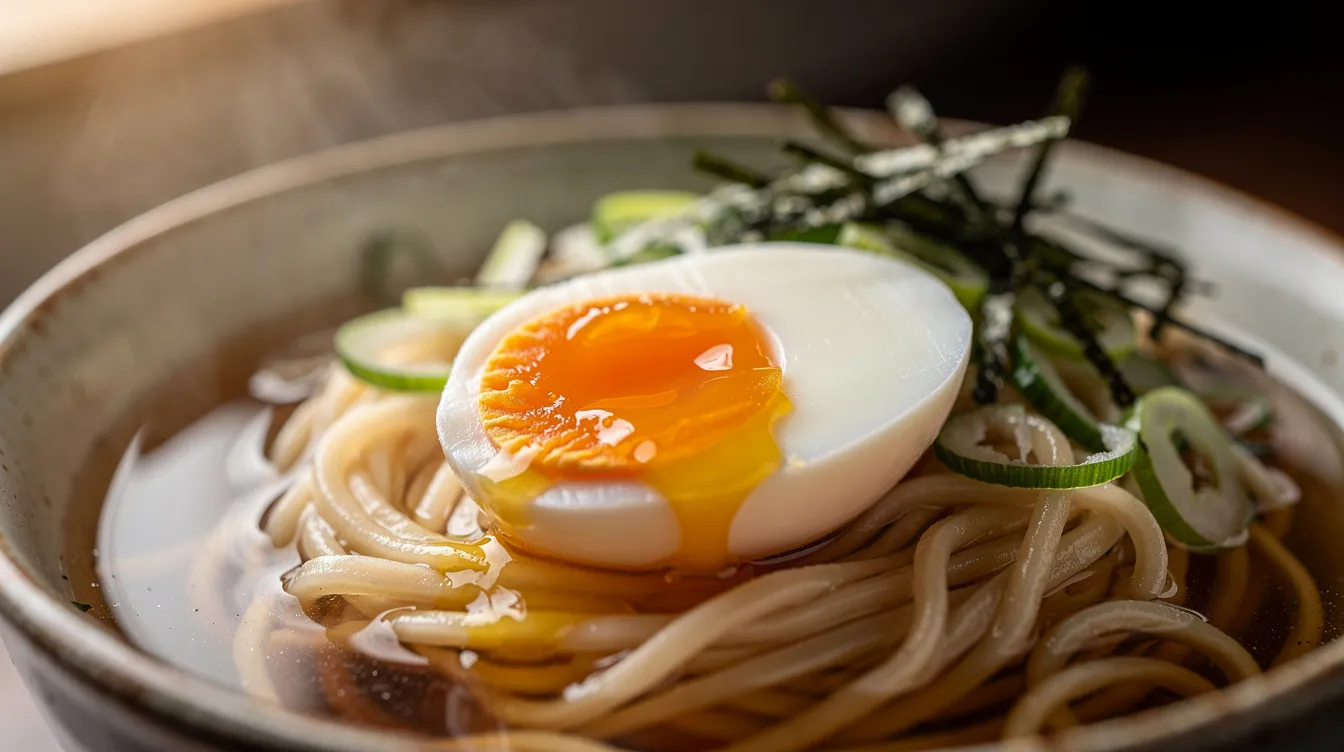
The 6-minute soft boiled egg method is foolproof. Bring water to a rolling boil in a medium saucepan. Gently lower refrigerated eggs in using a slotted spoon. Boil exactly 6 minutes, then transfer to ice water for 5 minutes. The result: set whites with that gorgeous jammy yolk that breaks into your ramen broth.
For tofu, cube firm tofu (about 100g adds 80 calories and 8-10g protein), marinate in low-sodium soy sauce and minced garlic for 10 minutes, then pan-sear over medium-high heat until golden.
Shredded chicken is my weeknight secret. Just shred 3 oz of chicken breast for about 25g of protein. For a cozy variation, try lean ground beef quickly browned with fresh ginger and garlic before adding to your ramen broth. Finish with creative additions from a list of top ramen noodle toppings.
How Can You Reduce Sodium in Ramen Recipes?
Use only half the seasoning packet, add low-sodium broth, and enhance flavor with fresh garlic, ginger, and herbs instead of relying on salt.
Natural flavor enhancers that replace sodium include:
- Fresh ginger and minced garlic (sauteed in a little olive oil)
- Toasted sesame oil (a little goes a long way)
- Rice vinegar for brightness
- Lime juice squeezed over the finished bowl
- White miso paste (provides depth with less sodium per serving)
- Fish sauce (just a dash adds incredible umami)
- Red pepper flakes or sriracha for heat
- Dried seaweed for minerals and ocean flavor
Homemade ramen gets a boost by simmering garlic, ginger, and dried mushrooms with chicken broth for added flavor. Look for broths under 400mg sodium per cup.
Gradually reducing your sodium tolerance actually works. I started using 75% of the flavor packet, then 50%. Now half tastes perfect to me, and full-strength tastes overwhelmingly salty.
What Are 5 Complete Healthy Ramen Recipes?
These recipes combine low-calorie noodles, nutritious toppings, and flavorful broth for under 400 calories per bowl.
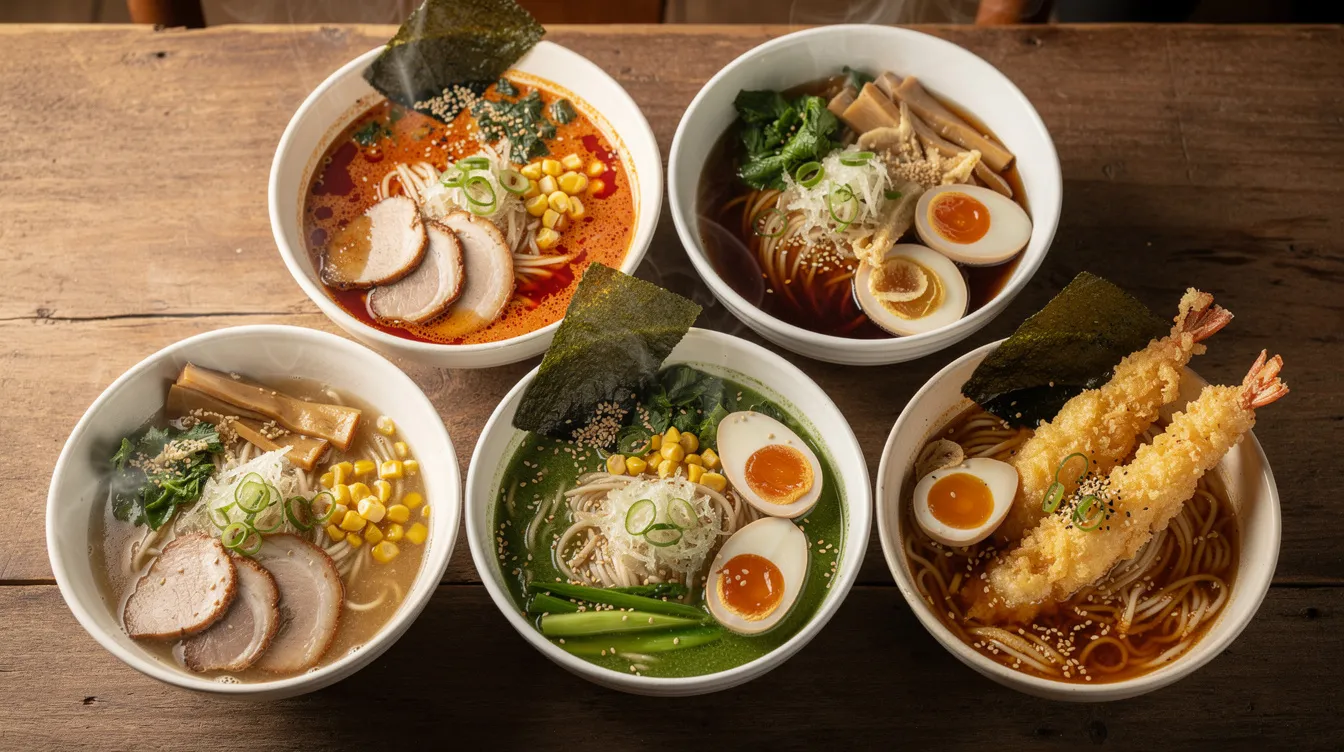
Recipe 1: Shin Ramen Light with Extra Vegetables and Soft-Boiled Egg
Ingredients: 1 packet Shin Ramen Light, 1 soft boiled egg, 1 cup spinach, 1/2 cup shiitake mushrooms, 1/2 cup shredded carrots, green onions, sesame seeds
Instructions: Cook noodles according to package using only half the seasoning packet. Add mushrooms and carrots halfway through. Wilt spinach in the last minute. Top with your jammy egg. Approximately 420 calories with great umami flavor.
Recipe 2: Miso Ramen with Shirataki Noodles and Tofu
Ingredients: 1 package shirataki noodles, 2 tbsp white miso paste, 2 cups low-sodium vegetable broth, 100g firm tofu, baby bok choy, green onions
Instructions: Rinse shirataki noodles thoroughly. Heat broth in a medium saucepan over medium heat, whisk in miso paste. Add noodles and cubed tofu, simmer 5 minutes. Add bok choy in the last minute. Finish with toasted sesame oil and green onions. Under 250 calories.
Recipe 3: Chicken and Vegetable Ramen with Whole Grain Noodles
Ingredients: Brown rice noodles, 3 oz grilled chicken breast, broccoli florets, corn, shredded carrots, low-sodium chicken broth, fresh ginger, tamari sauce
Instructions: Simmer chicken broth with sliced fresh ginger. Cook noodles separately. Stir-fry vegetables quickly. Add noodles to serving bowl, pour hot broth over, top with sliced chicken, drizzle with tamari sauce. About 380 calories with 28g protein.
Recipe 4: Spicy Kimchi Ramen with Lean Protein
Ingredients: Air-dried ramen noodles, 1/2 cup kimchi, 3 oz shredded chicken or tofu, green onions, chili flakes, dried seaweed
Instructions: Warm kimchi in flavorful broth, add noodles and protein. Finish with hot sauce to taste and toppings like green onion and sesame. Approximately 350 calories.
Recipe 5: Mediterranean-Inspired Ramen with Herbs and Olive Oil
Ingredients: Whole grain noodles, low-sodium vegetable broth, chickpeas, zucchini, cherry tomatoes, fresh basil, olive oil, lemon
Instructions: Simmer broth with garlic and a tablespoon of tomato paste. Add chickpeas and vegetables, cook until tender. Toss with noodles, drizzle olive oil, squeeze fresh lemon, top with basil. About 360 calories.
How Do You Meal Prep Healthy Ramen?
Pre-cook proteins and vegetables, portion out seasoning mixes, and store components separately for quick assembly throughout the week.
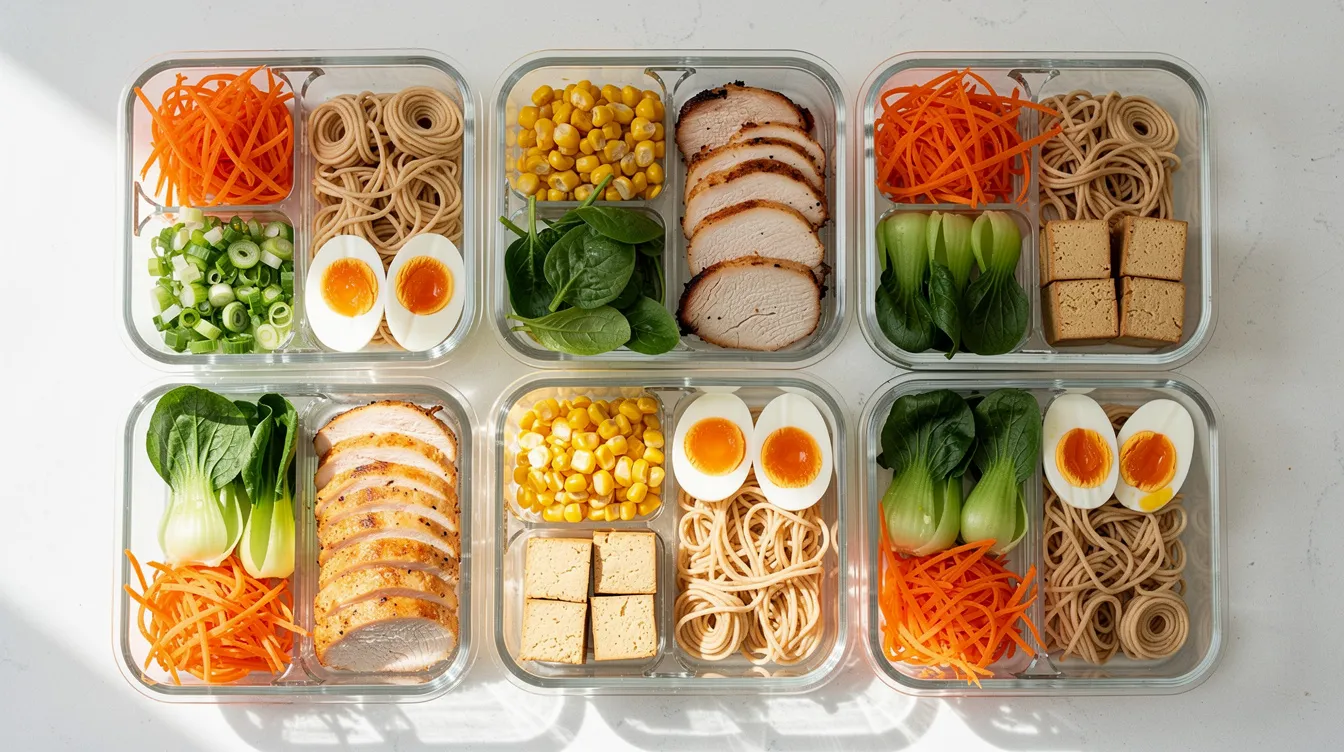
Weekly meal prep steps:
- Sunday prep (30 minutes): Grill 1 lb chicken breast, prepare 6 soft-boiled eggs, slice all vegetables, portion half-seasoning packets into small containers
- Storage: Keep broth base, cooked proteins, and prepped vegetables in separate airtight containers in the refrigerator
- Noodles: Store dry until cook time. Fresh ramen noodles last 3-4 days refrigerated, but cooking fresh takes only 3 minutes
Storage guidelines:
- Cooked chicken: Refrigerate up to 4 days, freeze up to 3 months
- Soft-boiled eggs: Refrigerate peeled in water up to 3 days
- Cut vegetables: Refrigerate 3-5 days
- Homemade broth: Refrigerate 4-5 days, freeze up to 3 months
Reheating without losing texture: Heat broth and protein together in a medium saucepan over medium heat until simmering. Cook noodles fresh. Frozen or pre-cooked noodles become mushy. Add vegetables in the last minute to maintain crunch.
Frequently Asked Questions
How many calories are in healthy ramen compared to regular instant ramen? Healthy versions using light noodles, vegetables, and lean protein range from 250-400 calories per bowl. Traditional instant ramen like original Shin contains 500-540 calories per pack, and that's before adding any toppings or oils.
Can I make ramen healthy if I only have regular instant noodles? Absolutely. Use only half the seasoning packet to cut sodium, add 2 cups of vegetables, and include a lean protein like a soft boiled egg or shredded chicken. These simple changes transform any instant ramen into a more balanced meal.
What's the healthiest type of ramen noodle? Shirataki (konjac) noodles have virtually zero calories and are gluten-free. For more traditional texture with better nutrition, whole grain or brown rice noodles offer more fiber than standard wheat noodles.
How much sodium should healthy ramen contain? Aim for under 600-800mg sodium per serving. Regular instant ramen contains 1,500-1,800mg, nearly 80% of your daily limit. Using coconut aminos or low-sodium soy sauce helps significantly.
Is Shin Ramen Light actually healthy? It's a better choice with 25% fewer calories (340 vs 510) and 75% less fat (2.5g vs 16g). However, sodium remains at about 1,800mg per packet, so using half the seasoning packet and loading up on vegetables and protein makes it genuinely nutritious.
Can I freeze homemade healthy ramen? Freeze broth and protein components separately in portioned containers for up to 3 months. Cook noodles fresh for best texture. Vegetables can be blanched and frozen but may lose some crunch upon reheating.

