


Quick Summary
Tteokbokki and Korean noodles are distinct yet complementary Korean dishes. Tteokbokki features chewy rice cakes in a spicy sauce. Korean noodles offer diverse textures from various starches. This post compares their ingredients, textures, cultural roles, and preparation methods, and introduces Nongshim Tteokbokki Noodles as a fusion product blending both experiences.
The main difference is texture and base ingredient. Rice cakes deliver a dense, bouncy chew. Noodles offer slurpable, varied textures. Both are essential to Korean cuisine, but they serve different dining occasions and satisfy different cravings.
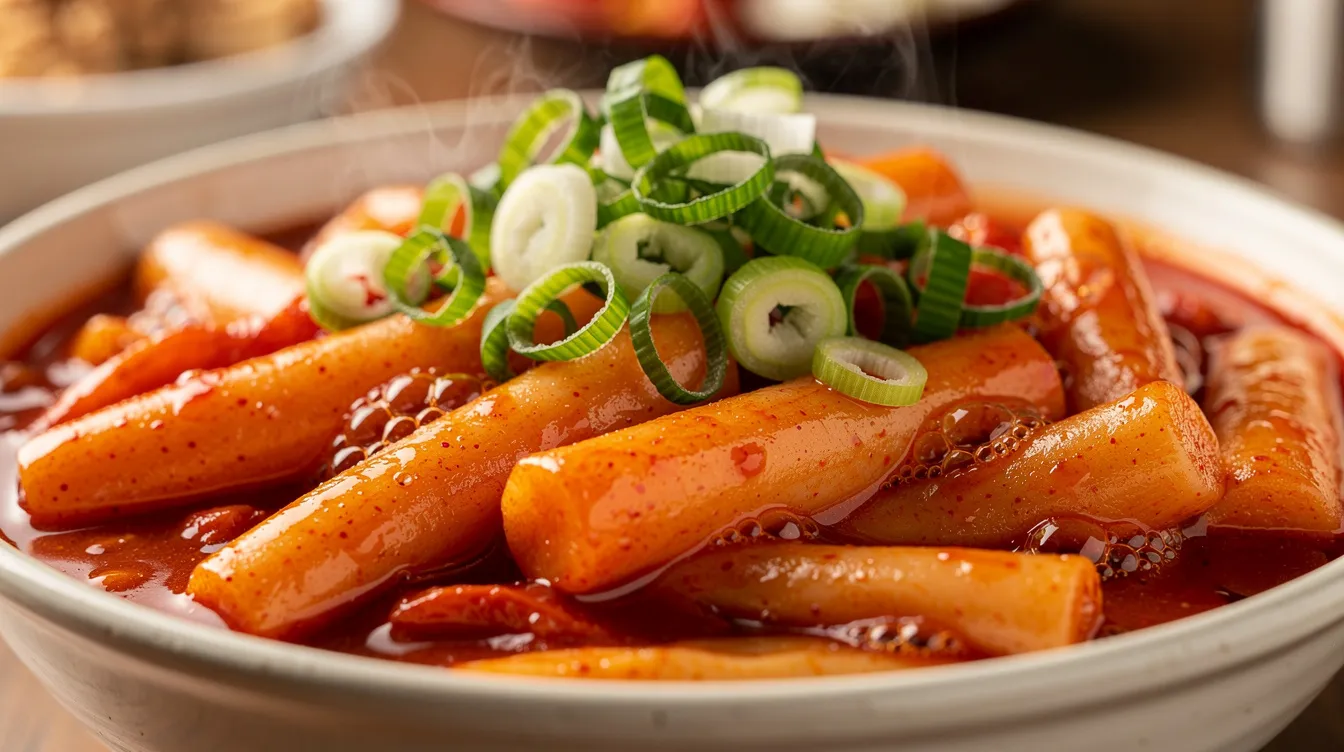
Tteokbokki vs Korean Noodles: Key Differences
The core distinction lies in the base ingredient and eating experience.
Tteokbokki uses cylindrical rice cakes as its foundation, creating a chewy texture that absorbs thick, spicy sauce.
Korean noodles use wheat, buckwheat, or sweet potato starch, producing varied textures from springy to slippery.
Tteokbokki is primarily a street food snack with bold, spicy-sweet flavors. Korean noodles span full meals, seasonal dishes, and everything from noodle soup to noodle salad.
Feature |
Tteokbokki |
Korean Noodles |
|---|---|---|
Base Ingredient |
Rice cakes |
Wheat, buckwheat, glass noodles |
Primary Texture |
Dense, chewy, bouncy |
Springy, slippery, varied |
Common Sauce |
Gochujang-based spicy sauce |
Broth, soy sauce, bean paste, cold dressing |
Typical Serving |
Snack, shared dish |
Full meal |
Temperature |
Hot |
Hot or cold |
Both have evolved significantly in Korean food culture. Traditional tteokbokki originated as a non-spicy royal court dish called Gungjung tteokbokki, using soy sauce, sugar, and sesame oil, often including beef and vegetables. The spicy version emerged in 1953 when Ma Bok-rim created the gochujang-based recipe in Seoul's Sindang-dong district.
Ingredients and Base Components
Tteokbokki Base
Tteokbokki is primarily made with garaetteok, long cylindrical rice cakes specifically designed for the dish. Soak them briefly before cooking if refrigerated. Fresh rice cakes offer the best texture, though frozen ones work well when properly prepared.
The sauce is based on gochujang, which provides spicy and savory flavor, often complemented by gochugaru for added heat and color. Anchovy stock is the traditional base for the sauce, providing a savory depth that balances the spiciness.
Key ingredients include:
- Korean chili paste (gochujang)
- Korean chili flakes (gochugaru)
- Fish cakes (eomuk)
- Green onion
- Boiled eggs
- Dried anchovies and dried kelp for the broth
Fish cakes are a traditional ingredient in tteokbokki, adding chewy texture and absorbing the flavors of the sauce. For those who avoid animal products, vegan Korean tteokbokki recipes use vegetable broth and plant-based proteins while keeping the dish's signature spicy-sweet flavor.
Korean Noodles Base
Korean noodles vary widely in composition:
- Wheat noodles: Used in knife-cut noodles, ramen noodles, and thin vermicelli
- Buckwheat noodles: The foundation for naengmyeon, served in icy cold broth
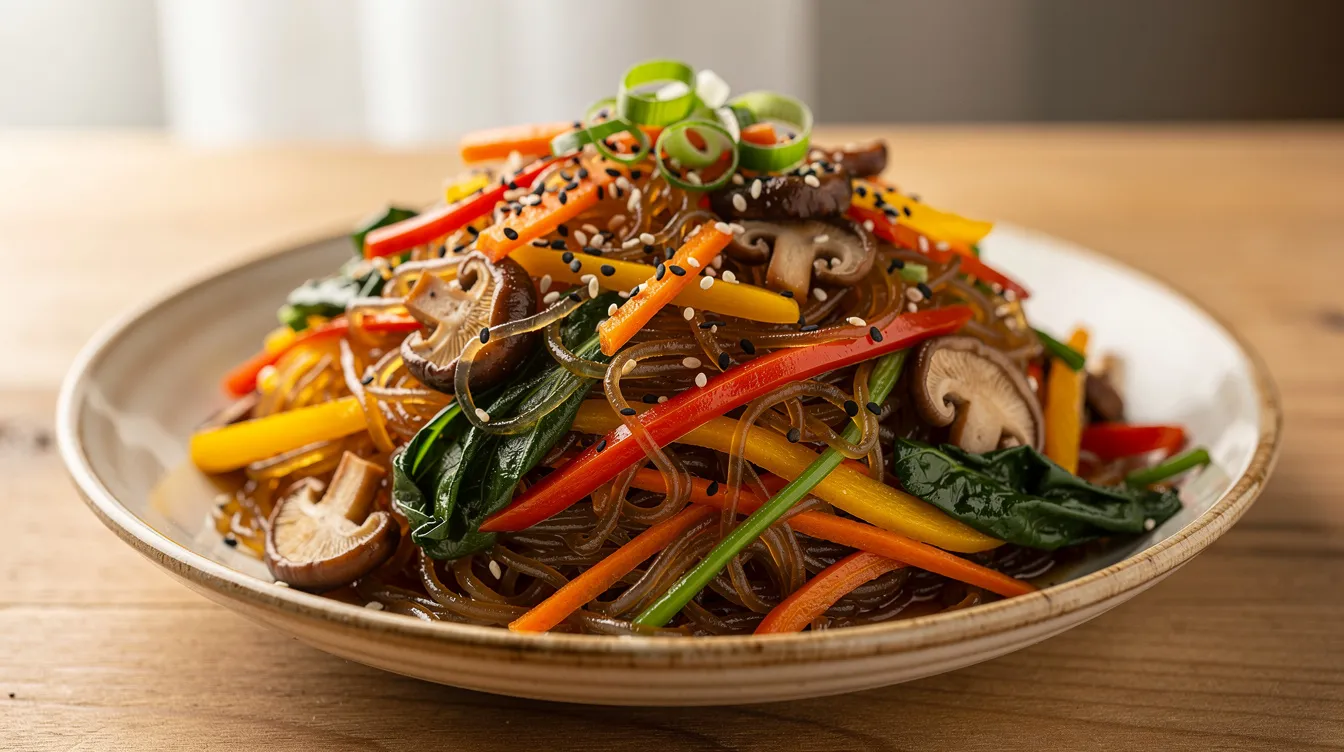
- Korean glass noodles (dangmyeon): Made from sweet potato starch, used in japchae
- Soba noodles: Sometimes used in Korean cold noodles
Sauces range from soy sauce-based to spicy broth, toasted sesame oil dressings, and bean paste variations. Common additions include fried vegetables, thinly sliced proteins, and sesame seeds.
Texture and Eating Experience
Tteokbokki Texture
Spicy Korean rice cakes deliver a signature chewy texture that no noodle can replicate. The rice cake exterior becomes slightly soft while maintaining internal density, creating a satisfying bounce with each bite.
The thick spicy sauce coats the rice cakes completely, and the savory flavor intensifies as the dish simmers. Soak the rice cakes in warm water for 10 minutes before cooking to enhance their moisture level, especially if using packaged rice cakes from the fridge.
Soup-style tteokbokki is served with a thinner broth and is intended to be eaten with a spoon, while oil-fried tteokbokki is a drier, crispy version stir-fried in oil rather than simmered in a thick broth.
Korean Noodles Texture
Korean noodles offer diverse textures:
- Glass noodles: Translucent, slippery, absorb sauce well
- Buckwheat noodles: Firm, chewy, ideal for cold noodles
- Wheat noodles: Range from soft to springy, depending on thickness
- Instant noodles: Curly, absorbent, quick-cooking
Cold noodles provide refreshing contrast to hot dishes, while noodle soup delivers warming comfort. The slurpable nature of noodles creates a different eating experience than the fork-and-chew approach required for rice cakes.
Cultural Context and Serving Occasions
Tteokbokki as Street Food
Tteokbokki is popular Korean street food, found at snack bars and street tents throughout Korea. It functions as a snack, late-night food, or shared dish rather than a full meal.
Tteokbokki comes in two main styles: the spicy gochujang-based version popular in street food culture, and the non-spicy royal court version enjoyed before chili peppers were introduced. Regional variations include Busan-style with seafood and Seoul-style with thicker sauce.
Korean Noodles as Full Meals
Korean noodle dishes typically serve as complete meals. Naengmyeon appears in summer for cooling relief, kalguksu provides winter comfort, and japchae features at celebrations and holidays.
Korean restaurants often specialize in specific noodle types, from hand-cut wheat noodles to buckwheat specialists.
Preparation Methods and Cook Times
Cooking Tteokbokki
The process is straightforward:
- Simmer dried anchovies and kelp for about 15 minutes to create the soup base
- Combine gochujang, gochugaru, and sweetener to create the sauce
- Bring the sauce base to a gentle boil, add the soaked rice cakes, and simmer for 7-10 minutes, stirring often to prevent sticking
Total cook time: 15-25 minutes. Some recipes substitute maple syrup for traditional Korean sweeteners.
Cooking Korean Noodles
Noodle dishes require varied techniques:
- Instant noodles: 3-5 minutes boiling
- Kalguksu: Fresh noodle making plus broth simmering (30+ minutes)
- Japchae: Stir fry method with pre-soaked glass noodles
- Naengmyeon: Broth preparation plus noodle cooking and chilling
Storage and Reheating
Leftover tteokbokki can be refrigerated for a day or two. Rice cakes harden as they cool, so reheat leftovers on the stovetop with a splash of water or stock to loosen the sauce and soften the cakes again.
If you prefer convenience from the start, instant tteokbokki products let you enjoy this dish with minimal prep.
Noodles can become soggy when stored in sauce, making fresh preparation preferable.
Nutritional Profiles and Dietary Considerations
Tteokbokki Nutrition
Per 100g serving, tteokbokki contains approximately:
Nutrient |
Amount |
|---|---|
Calories |
128-132 kcal |
Carbohydrates |
19.8g |
Protein |
3.9-4.1g |
Fat |
4.0g |
Sodium |
190-200mg |
Rice cakes have a higher glycemic index (70+) compared to most noodle options. Sodium content increases with sauce thickness.
Korean Noodles Nutrition
Nutritional profiles vary by noodle type:
- Buckwheat noodles: Lower glycemic index, higher in magnesium
- Sweet potato noodles: Lower in calories, gluten-free
- Wheat noodles: Higher in gluten, moderate calories
- Instant noodles: Often fried, higher in fat
Dietary Adaptations
Gluten-free options: Korean rice cakes and 100% buckwheat noodles accommodate gluten sensitivities.
Vegan adaptations: Traditional tteokbokki uses anchovy broth and fish cakes, but vegetable-based versions exist. Many noodle dishes can be prepared without animal products.
For spicy food sensitivity, Rosé tteokbokki blends traditional spicy heat with creamy textures using heavy cream or milk.
Tteokbokki vs Korean Noodles: Which Should You Choose?
Choose tteokbokki when you want:
- Bold, spicy snack experience
- Chewy, satisfying texture
- Quick street food satisfaction
- Shared eating occasion
Choose Korean noodles when you want:
- Full meal satisfaction
- Varied flavor profiles
- Seasonal options (cold noodles in summer)
- Lower glycemic impact (buckwheat)
The Fusion Solution: Nongshim Tteokbokki Noodles
Variations of tteokbokki have emerged over the years, including unique sauces like rosé tteokbokki, black bean tteokbokki, and curry tteokbokki. Rabokki, which combines tteokbokki with instant ramen noodles, is one of the most popular variations.

For those who want both experiences, Nongshim Tteokbokki Noodles bridges the gap. These fresh, flat noodles are designed to mimic the chewy texture of rice cakes while offering noodle convenience. A detailed review of Nongshim Tteokbokki Style Noodles covers how closely they capture classic street stall flavor.
Product specifications:
- Package size: 260g
- Cook time: 4 minutes in 600ml boiling water
- Sauce: Gochujang-based with anchovy and fish cake broth
- Toppings included: Roasted black sesame and parsley
The wide flat noodles absorb sauce similarly to rice cakes, delivering that characteristic chewy texture with the convenience of quick-cooking noodles. Reviews note medium spice level (approximately 5/10), good sweet-spicy balance, and sauce that clings without becoming watery. Add noodles to your Asian supermarket shopping list or order online for US delivery.
Both spicy rice cakes and Korean noodles hold essential places in Korean cuisine. Fusion products like Nongshim Tteokbokki Noodles mean you don't have to choose between the chewy rice cake experience and noodle convenience.
Frequently Asked Questions About Tteokbokki and Korean Noodles
What is tteokbokki noodles?
Tteokbokki noodles refer to a fusion product that combines the chewy texture of traditional Korean rice cakes with the convenience of noodles. Nongshim Tteokbokki Noodles are flat, fresh noodles designed to mimic the dense, bouncy chew of rice cakes while cooking quickly like noodles.
Where can I find gluten-free tteokbokki noodles?
Gluten-free tteokbokki noodles are typically made from rice or sweet potato starch rather than wheat. You can find gluten-free options at Asian supermarkets, specialty Korean grocery stores, or online retailers like Amazon. Guides to the best instant tteokbokki brands can also help you compare ingredients. Always check the packaging to confirm gluten-free certification if you have dietary restrictions.
Are tteokbokki and Korean noodles suitable for vegan diets?
Traditional spicy tteokbokki uses anchovy broth and fish cakes, which are not vegan. However, many vegan adaptations replace these with vegetable broth and tofu. Korean noodles can be vegan depending on the broth and toppings used. Always verify ingredients or look for vegan-specific recipes.
How spicy is traditional tteokbokki compared to Korean noodle dishes?
Traditional tteokbokki is known for its bold, spicy flavor from gochujang and gochugaru, often rated medium to high on the spice scale. Korean noodle dishes vary widely. Some, like jajangmyeon, are mild and savory, while others like spicy ramen can be quite hot. Fusion products like Nongshim Tteokbokki Noodles typically offer balanced spice levels suitable for wider palates.
Is there a way to enjoy both tteokbokki and noodles in one dish?
Yes. Nongshim Tteokbokki Noodles offer a convenient fusion option that combines the chewy texture of rice cakes with the ease of noodles. It lets you enjoy the signature spicy sauce and chewy mouthfeel of tteokbokki while benefiting from quick noodle preparation.

