


Introduction
Korean ramen is genuinely perfect for spring. It's warming enough for cool evenings but light enough that you're not sweating through a 90-minute cook time. I lived in South Korea for years and came back to the US still craving ramyeon as soon as March hits.
This guide covers the best instant ramen noodles, fresh ramen noodles from Korean markets, and a few prep tips specifically for spring weather. Whether you're new to Korean food or already own four types of Buldak, you'll find something useful here.
The best Korean ramen choices for spring in 2026 are Nongshim Shin Ramyun, Samyang Buldak, and Ottogi Jin Ramen. Each offers distinct flavor profiles and adaptable heat levels perfect for transitional weather.
Understanding Korean Ramen for Spring
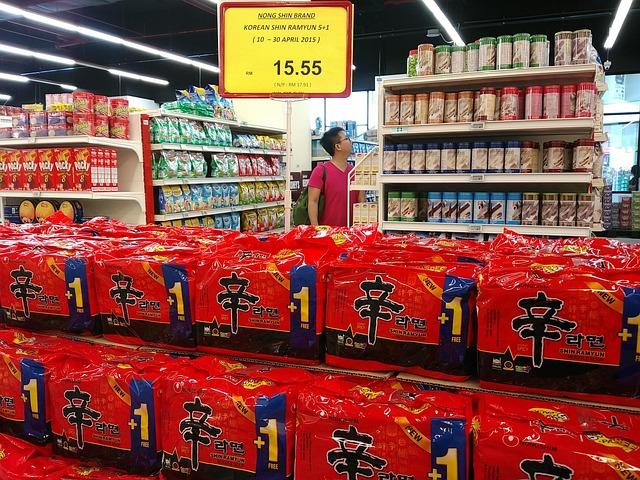
Korean ramen (ramyeon) is different from Japanese ramen in some pretty fundamental ways. Japanese ramen is built around slow-simmered broths with miso or pork bones. Korean ramyeon uses quick-cooking dried noodles with bold seasoning packets, usually heavy on Korean chili flakes and deep umami. If you want to understand the finer distinctions, check out this breakdown of the top Korean instant ramen varieties.
Note: "Korean ramen" is the common US term, but in Korea, "ramyeon" specifically means instant noodles rather than traditional ramen.
That quick-cook format is exactly why it works for spring. You get a satisfying hot bowl without spending an hour at the stove when the weather is already turning warm.
Traditional Korean Ramyeon Culture
In South Korea, ramyeon is the ultimate quick comfort food. Late nights, rainy days, that weird week in spring where it can't decide if it's warm or cold. Spring cooking in Korea leans toward bomnamul (spring greens), fresh scallions, and lighter kimchi varieties mixed straight into the noodle bowl.
That seasonal habit translates really well to the US. March and April evenings still call for something warm, but heavy stews feel wrong.
Spring-Friendly Korean Ramen Characteristics
The best spring ramen options have broth bases that warm without sitting heavy. Chicken stock foundations, seafood-forward flavors, or even brothless bibim styles that you serve as a mixed noodle dish all work well.
Heat level matters more in spring. A little spice keeps the cozy feeling without the kind of sweat that belongs in August. Korean flavors like toasted sesame, sesame oil, and green onion add brightness that pairs really well with whatever spring produce you have sitting in the fridge.
Types of Korean Noodles
Korean noodle culture has a lot of variety, and each style serves a different purpose. The landscape of Korean instant ramen keeps expanding, but the basics are worth knowing.
Ramyeon is the foundation. What defines it is that balance between gochugaru heat and umami depth from fermented seasoning. Good ramyeon has a firm, specific chew. It holds structure in hot broth while absorbing flavor without going mushy.
Nongshim Shin Ramyun is the clearest example of this done right. Consistent texture, controlled spice, savory foundation that doesn't get lost in the heat.
Naengmyeon works on completely different principles. The noodles, made from buckwheat or sweet potato starch, stay elastic even when cold. That slight resistance is satisfying. The chilled broth is clean and tangy. It's designed for Korean summers, but the textural complexity is its own draw year-round.
Korean-style udon keeps the thick, soft wheat noodle structure but adjusts broth intensity and toppings to local flavor preferences. The mild savory base lets you add kimchi, various proteins, or whatever you have without overwhelming the noodle itself.
Korean grocery sections carry extensive instant options beyond basic ramyeon, including seafood-forward choices like Nongshim Neoguri for oceanic depth. Fresh noodles from Korean markets offer a texture upgrade: springier, more pronounced wheat or buckwheat character, and noticeably better broth absorption.
Top Korean Ramen Brands for Spring 2026 in the US
Korean instant noodles are easier to find than ever. Mainstream retailers carry them now, not just Korean grocery stores. Here's what to look for this spring.
Best Instant Korean Ramen Options
Nongshim Shin Ramyun is still the benchmark. Spicy beef broth, satisfying noodle texture, and wide availability. For spring, the Shin Ramyun Gold (chicken) or Shin Green (tofu and mushroom) variants are worth trying. Both carry the brand's quality with a lighter profile. If you want a richer bowl, creamy Shin Ramen recipes take about 10 minutes and hit differently on a cool evening. The original runs around 3,400 Scoville units, so adjust your seasoning packet if you're sensitive to heat as the weather warms.

Samyang Buldak has sold over 6.6 billion units worldwide for good reason. The Korean chili flakes deliver real heat with a flavor you don't get elsewhere. Spring calls for the milder variants: Carbonara or Cheese Buldak work well because the creaminess tempers the burn. A half sauce packet plus chicken stock turns the dry-toss version into a soup that's significantly less intense but still unmistakably Buldak.

Ottogi Jin Ramen got a notable upgrade in late 2024 with improved noodle texture and better broth. The Mild version (blue packaging) is genuinely approachable for spring. The Spicy version sits around 3,000 SHU, still much gentler than Buldak. Both cook quickly, making Jin a solid weeknight option when you want something real without much effort.

Premium and Restaurant-Style Options
Fresh ramen noodles from H-Mart, 99 Ranch, or Lotte beat instant hands down for texture. The broth kits are richer, the noodles are softer, and the shelf life is short enough that the store has to stock it fresh. Good option if you want a restaurant-quality bowl at home without the full restaurant effort.
Korean restaurants across the US are running spring specials with mushrooms, wild greens, and lighter seafood preparations. Local Korean BBQ spots and dedicated noodle shops are worth checking alongside the instant options, especially alongside iconic Korean street food favorites like tteokbokki and hotteok.
Regional US Availability and Shopping Tips
West Coast (California, Washington): Heavy concentrations of Asian groceries make finding the full Shin, Buldak, and Jin lineups easy. H-Mart locations especially excel at limited-edition flavors and fresh ingredients.
East Coast and Mid-Atlantic: New York, New Jersey, and Pennsylvania have strong Korean market presence alongside mainstream grocery options. Walmart and Target typically carry 3-5 Korean instant noodle varieties, though fusion flavors may require a specialty store.
Midwest and South: Core items like original Shin Ramyun and Jin Mild appear regularly. Newer fusion varieties usually require online ordering or specialty Asian grocers. Amazon, Weee!, and Yamibuy ship nationwide with excellent selection.
Spring-Specific Korean Ramen Preparation Methods
Lighter Broth Modifications for Warmer Weather
Spring ramen is about adjusting without losing what makes the bowl good. These tweaks preserve authentic Korean flavor while making the dish feel right for April evenings.
Add 10-15% more boiling water than the package suggests, or use only three-quarters of the seasoning packet. This brings the sodium down and cuts the intensity to a level that doesn't feel excessive when it's 65 degrees outside.
Replace some hot water with clear chicken stock or dashi for depth that doesn't rely entirely on the seasoning packet. For Buldak's dry preparation, adding hot broth turns it into a soup and moderates the heat considerably.
Vegetable or seafood stock as your base liquid lifts the freshness and cuts some of the oily richness that feels heavy on warm evenings.
Seasonal Toppings and Add-ins for Spring 2026
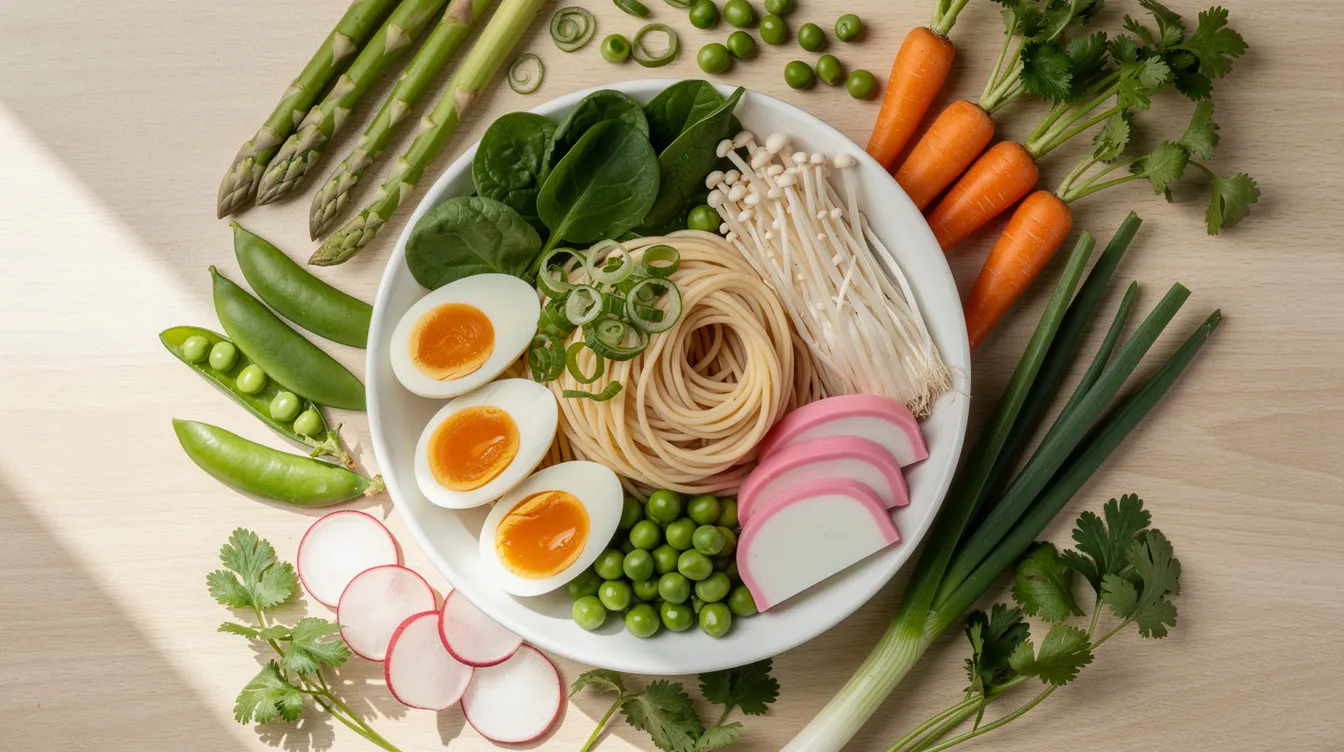
Fresh vegetables are the easiest spring upgrade. Baby spinach, snap peas, thinly sliced bok choy, or enoki mushrooms added in the final minute of cook time add crunch and color without much work. Bean sprouts and green onion are the baseline. These also pair well with a wide range of ramen noodle toppings worth experimenting with.
Protein choices for spring: soft-boiled eggs, silken tofu cubes, shrimp, or thinly sliced chicken breast. All lighter than pork belly and more appropriate for the season.
Korean markets carry spring-specific ingredients like geotjeori (fresh kimchi), young radish greens, and seasonal cabbages. Finish with toasted sesame seeds and a drizzle of sesame oil. It adds flavor without heaviness.
Temperature and Serving Considerations
Serve at moderate heat rather than boiling. Around 150-158°F lets you actually taste the bowl without the steam cloud that feels suffocating on a warm evening. This temperature also stops the noodles from overcooking as you eat.
Evening meals work best for hot ramen in spring. When temperatures drop, the warmth feels welcome. For daytime, brothless bibim-style preparations or lighter broth bowls are more practical in afternoon sun.
Wider, shallower bowls cool faster for outdoor meals.
Common Spring Korean Ramen Challenges and Solutions
Managing Heat Levels in Warmer Weather
Start with half the seasoning or sauce packet and adjust upward. It's easy to add heat, hard to remove it.
A splash of milk, cream, or a slice of melted cheese tames Korean chili flakes without eliminating the characteristic heat. Serve with cooling sides: chilled cucumber, pickled radish, or cold rice. Pair with barley tea or cold jasmine tea rather than sweet beverages, which actually amplify spice perception.
Finding Fresh Korean Ingredients During Spring
Korean markets carry seasonal produce like early cabbages, spring onions, and bomdong during March through May. Know when these items appear for the best freshness. Without a Korean grocer nearby, farmers markets and Asian produce sections work as substitutes.
Online delivery through Amazon Fresh, Weee!, or specialty Asian food boxes solves most gaps regardless of location. Many stores allow advance ordering for weekend pickup of harder-to-find items.
Balancing Comfort Food with Spring Appetite Changes
Natural appetite gets lighter as temperatures rise. Use smaller amounts of noodles and more fresh vegetables to keep the bowl satisfying without the heaviness.
Brothless preparations are worth reaching for more often in spring. Stir-fried or bibim-style noodles with sesame paste and soy sauce deliver full flavor without hot broth. Time your ramen meals for evenings or cooler days rather than fighting the heat.
Wrapping Up
Korean ramen is one of the easiest comfort food upgrades for spring. Warming enough for cool evenings, adaptable for milder days, and fast to customize with seasonal toppings. Nongshim Shin Ramyun, Samyang Buldak, and Ottogi Jin Ramen each offer a different entry point depending on your heat preference.
Pick up one package of each from your nearest Korean market or Walmart. Stock fresh toppings: green onion, soft-boiled eggs, bok choy, bean sprouts. Try the lighter broth modification with chicken stock on your first spring bowl.
Once you've got spring ramen down, explore related Korean foods worth trying this season: tteokbokki cooked at home with lighter sauce preparations, and fresh spring kimchi (geotjeori) as a refreshing side.
Frequently Asked Questions (FAQs)
1. What makes Korean ramen different from Japanese ramen?
Korean ramen, or ramyeon, typically uses quick-cooking dried noodles with bold, spicy seasoning packets featuring Korean chili flakes and umami-rich flavors. Japanese ramen often involves slow-simmered broths with ingredients like miso and pork bones, resulting in more subtle and complex flavors.
2. Can I use instant ramen noodles for Korean ramen recipes?
Yes, instant ramen noodles are commonly used in Korean ramen recipes and provide excellent results. For the best texture, cook at medium-high heat to keep the noodles chewy without going mushy. Fresh ramen noodles offer a texture upgrade, but instant noodles are convenient and widely available.
3. How can I adjust the spice level of Korean ramen for spring or warmer weather?
Use only part of the seasoning or sauce packet, dilute the broth with extra water or chicken stock, or add cooling ingredients like soft-boiled eggs or fresh vegetables. Serving with pickled radish or chilled cucumber on the side also helps balance the heat. For a richer bowl, check out Nongshim Chapagetti black bean noodles for a completely different flavor direction.
4. What are some popular toppings for Korean ramen in spring?
Baby spinach, snap peas, bok choy, enoki mushrooms, bean sprouts, green onions, and soft or medium-boiled eggs are all great spring toppings. They add freshness, texture, and balance to the spicy broth. Gochujang stirred into the base adds depth for those who want more intensity.
5. Where can I find authentic Korean ramen noodles and ingredients in the US?
Korean markets such as H-Mart, 99 Ranch, and Lotte Plaza carry fresh ramen noodles and specialty Korean ingredients. Most mainstream grocery stores and online retailers like Amazon also carry popular Korean instant noodles and key ingredients like gochujang and Korean chili flakes.

